
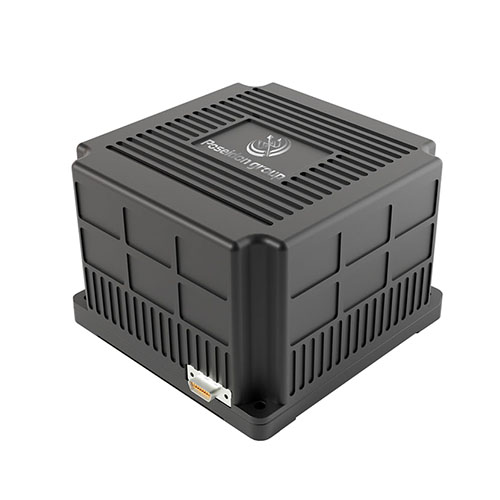
 TBSD60
 BSD120
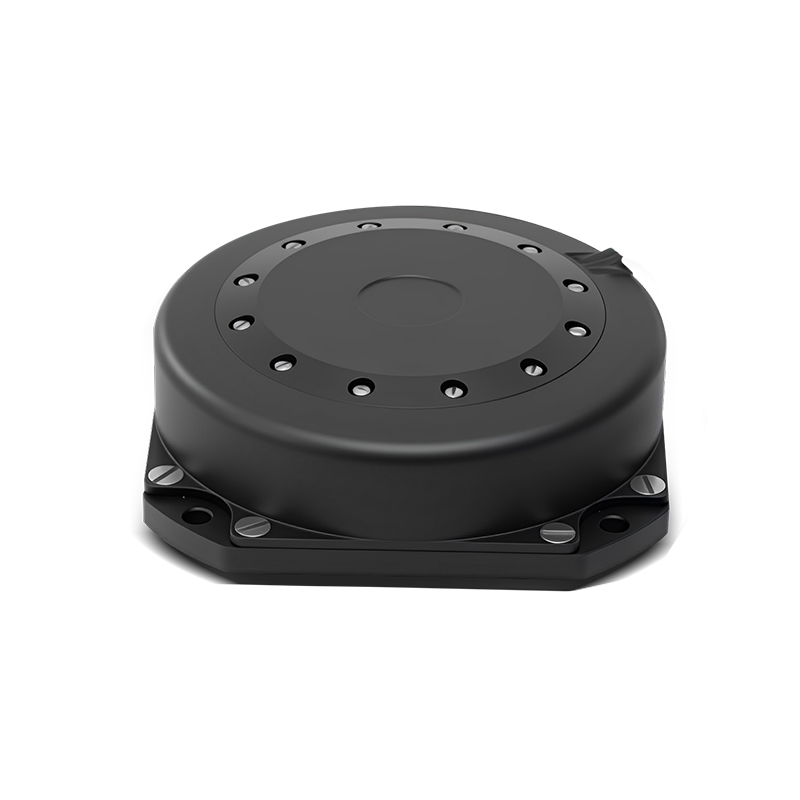 BSD98
BSD98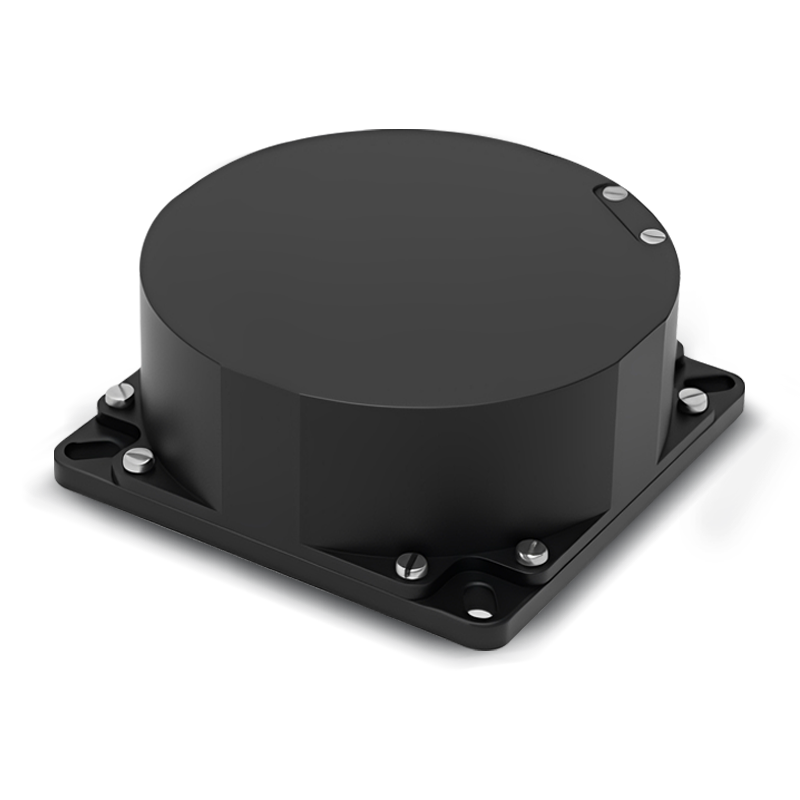 BSD70
BSD70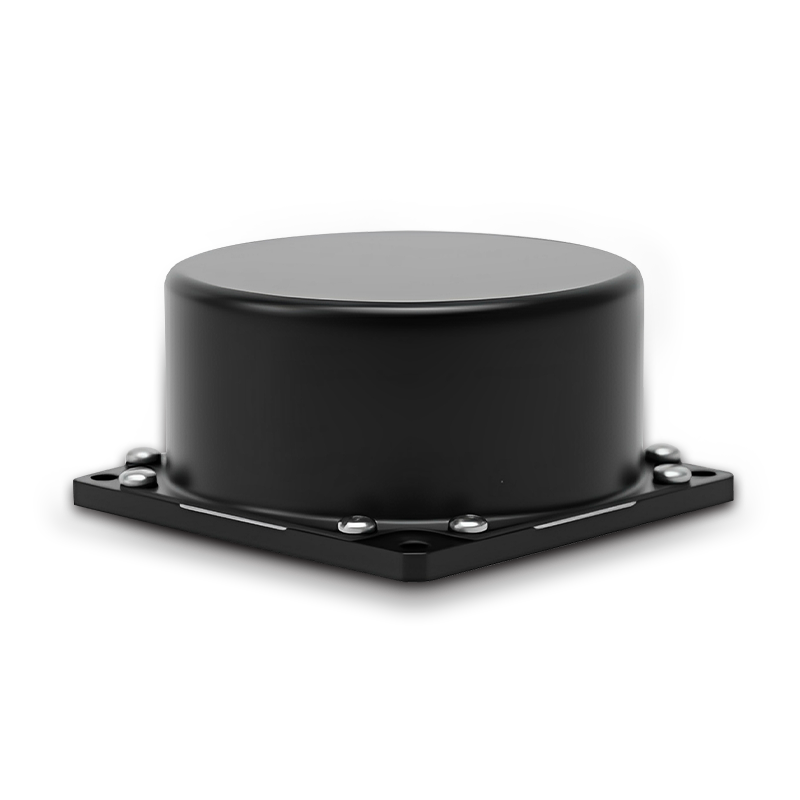 BSD60
BSD60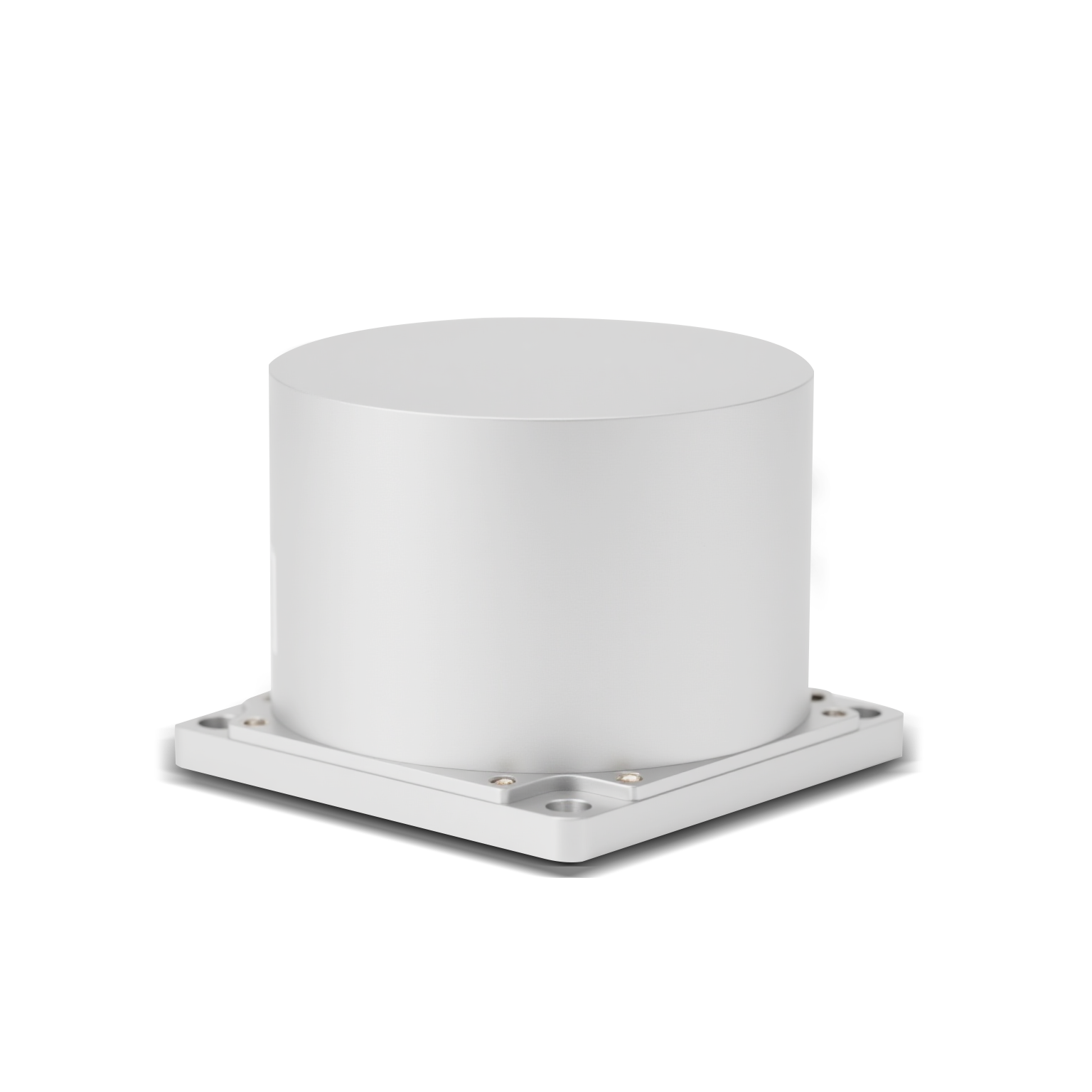 BSD50
BSD50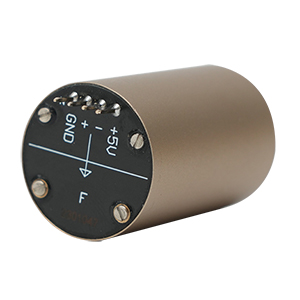 BSD217
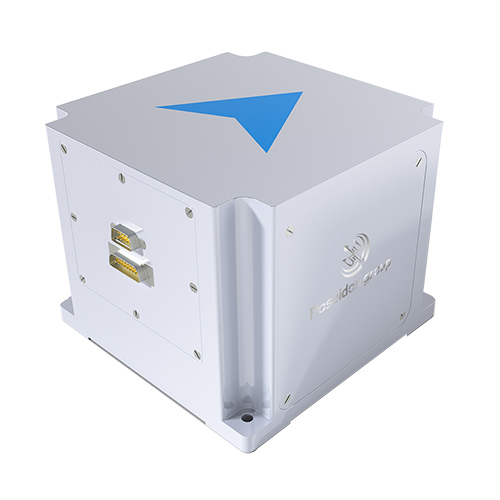 INS1700
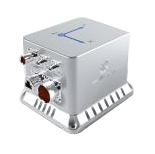 INS970
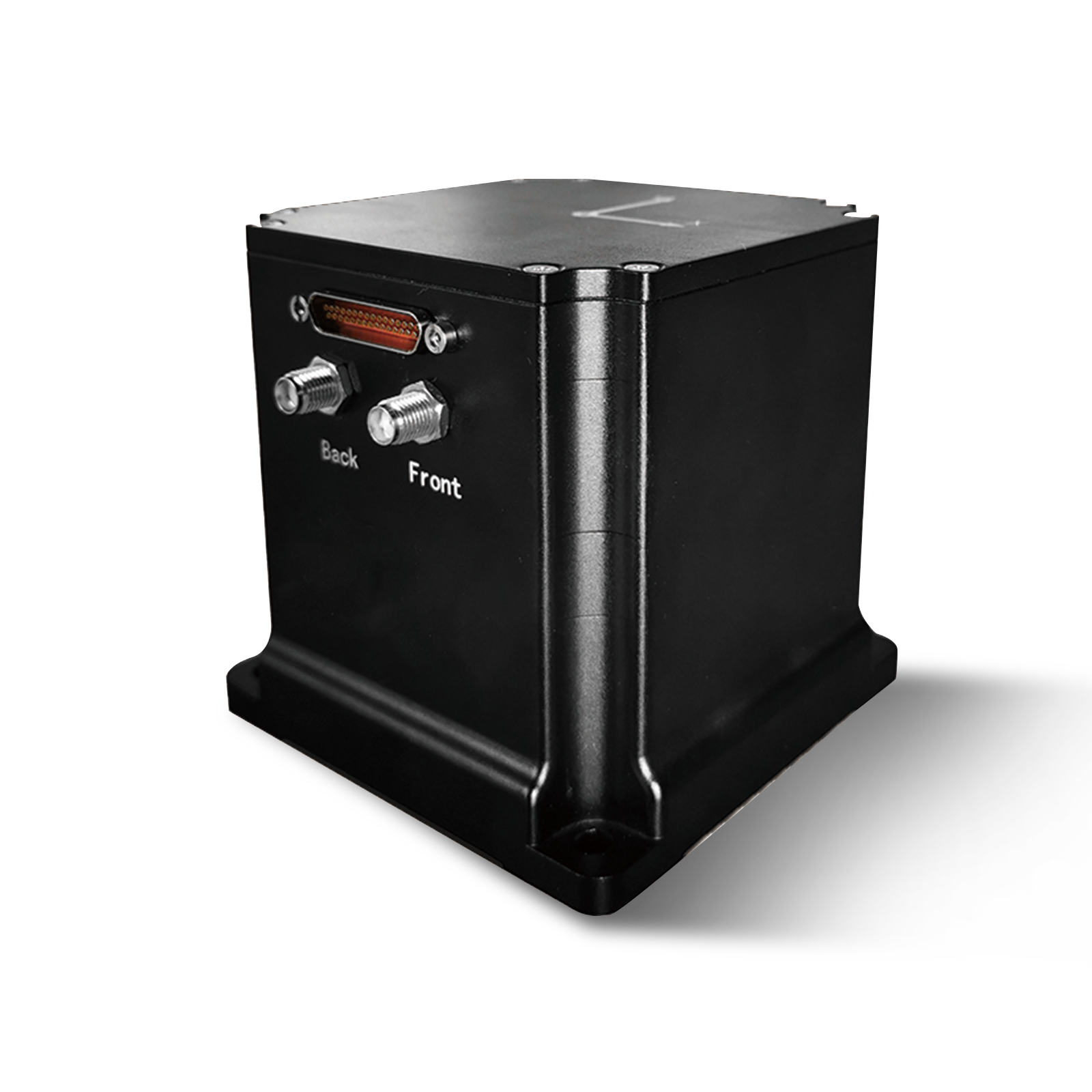 INS570
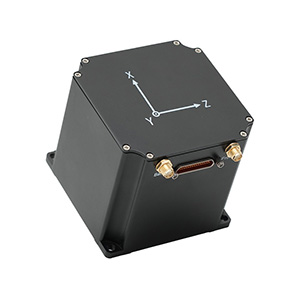 INS170
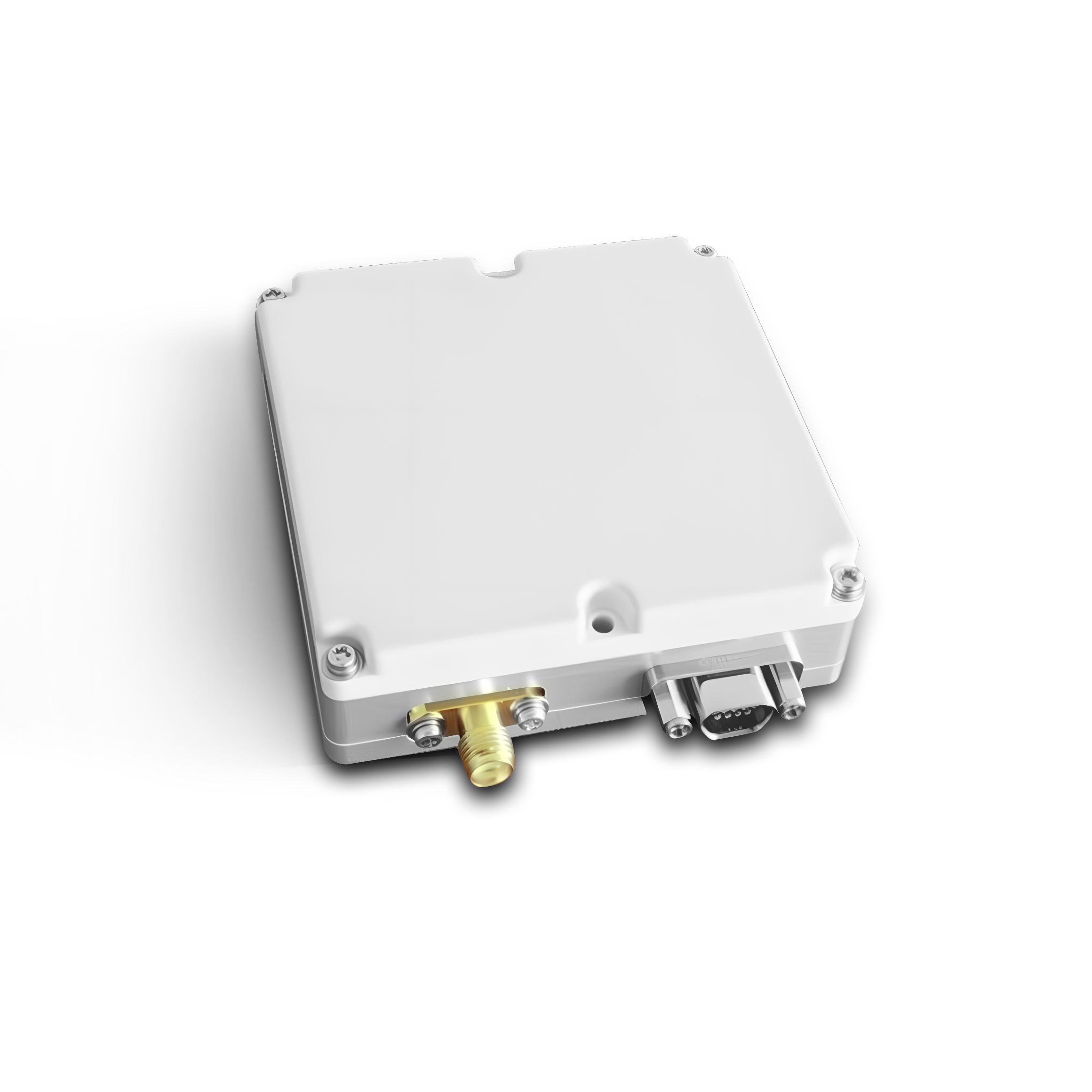 SLA-4B1L1-65
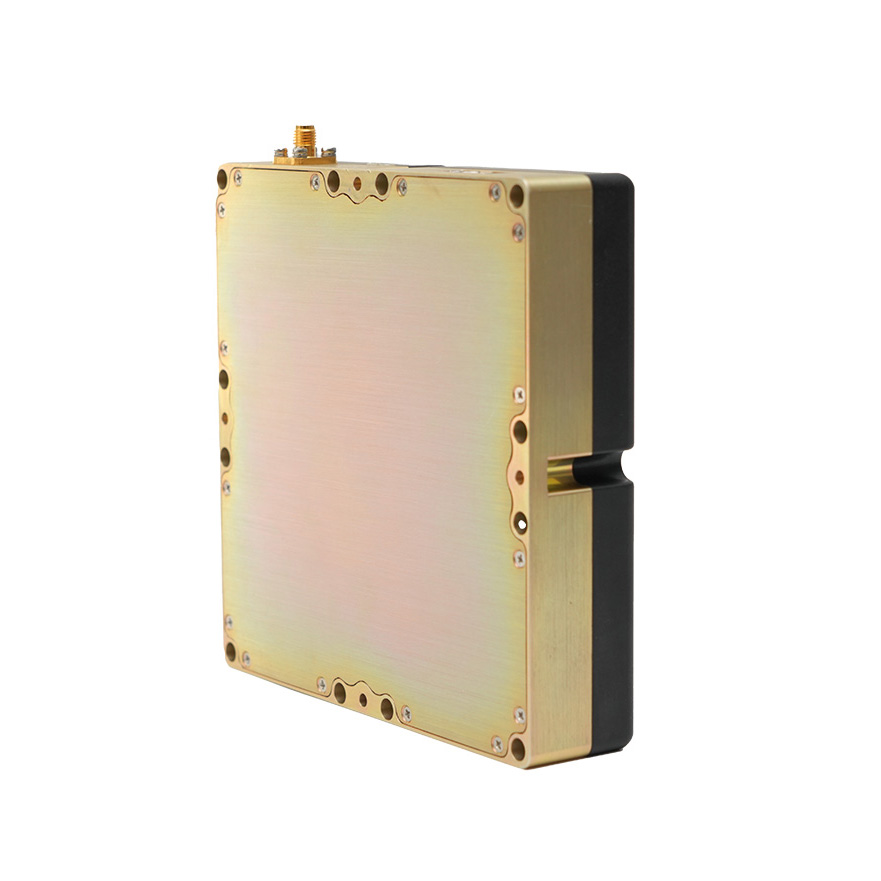 SLA-4B1L1-130
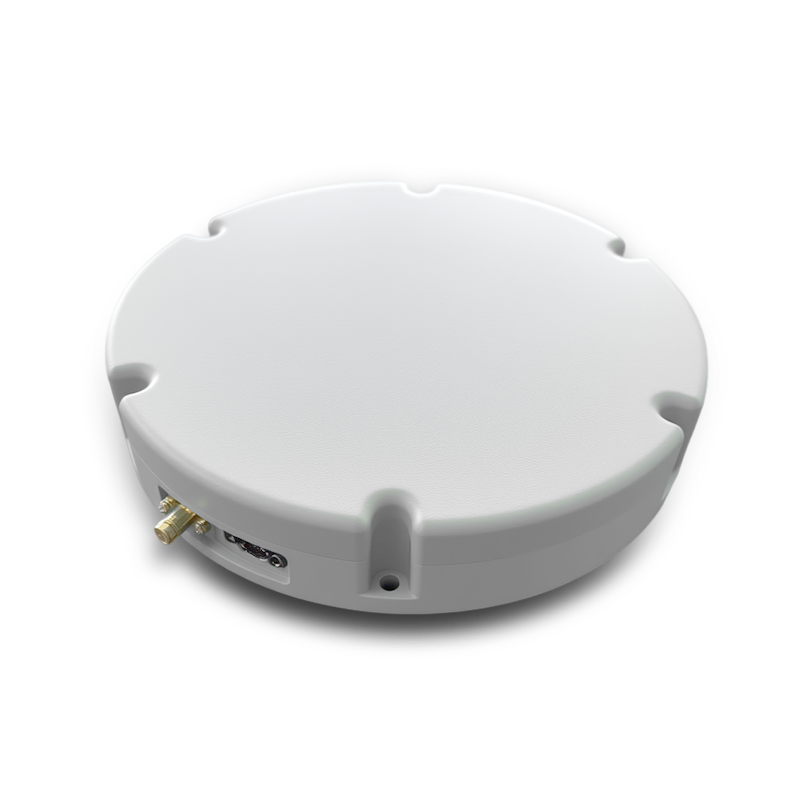 SLA-8B1L1-165
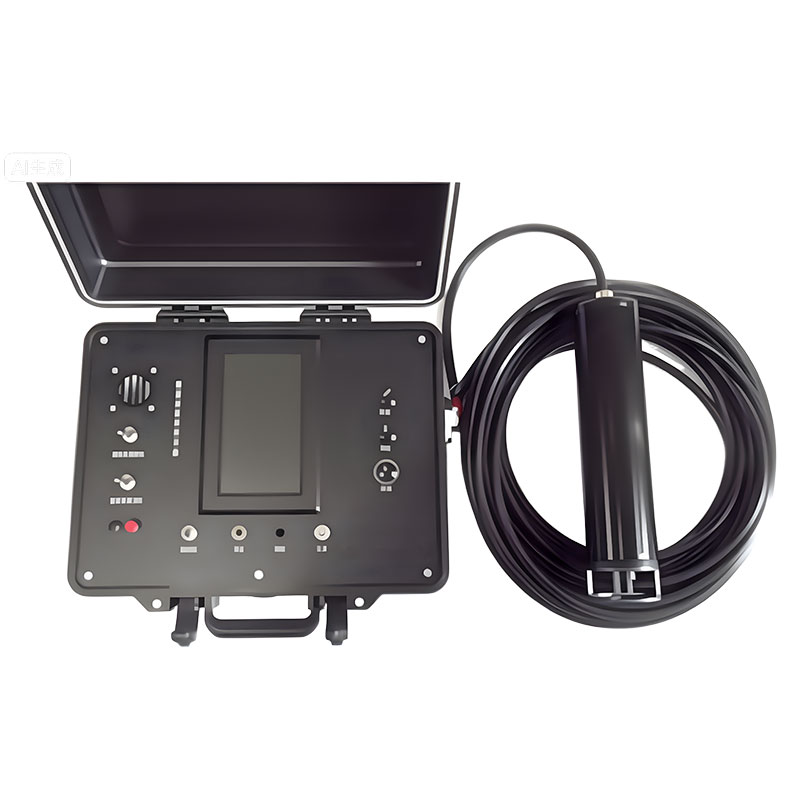 DIVER 101
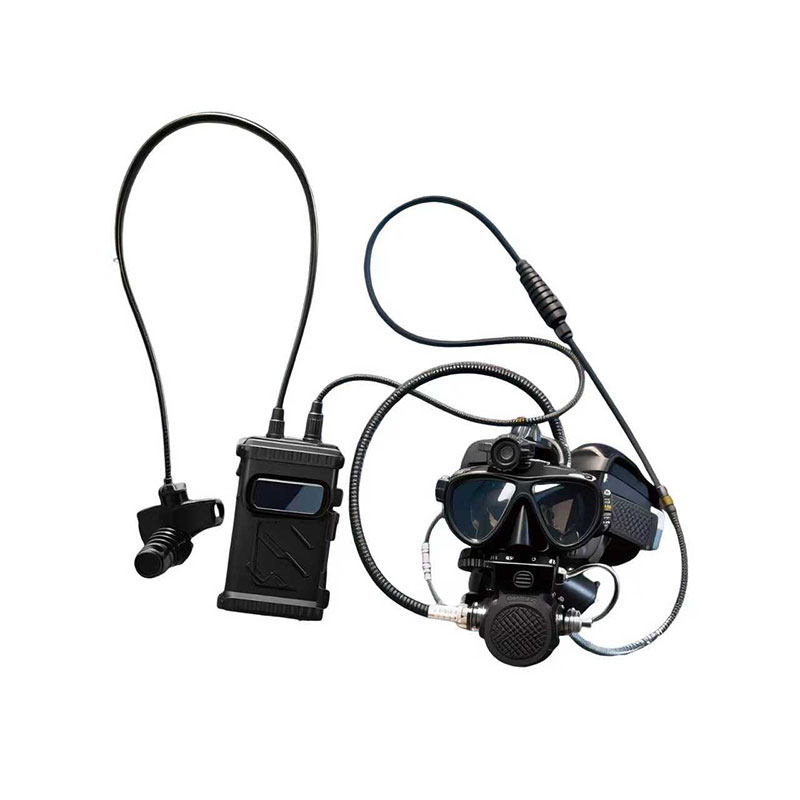 DIVER 102
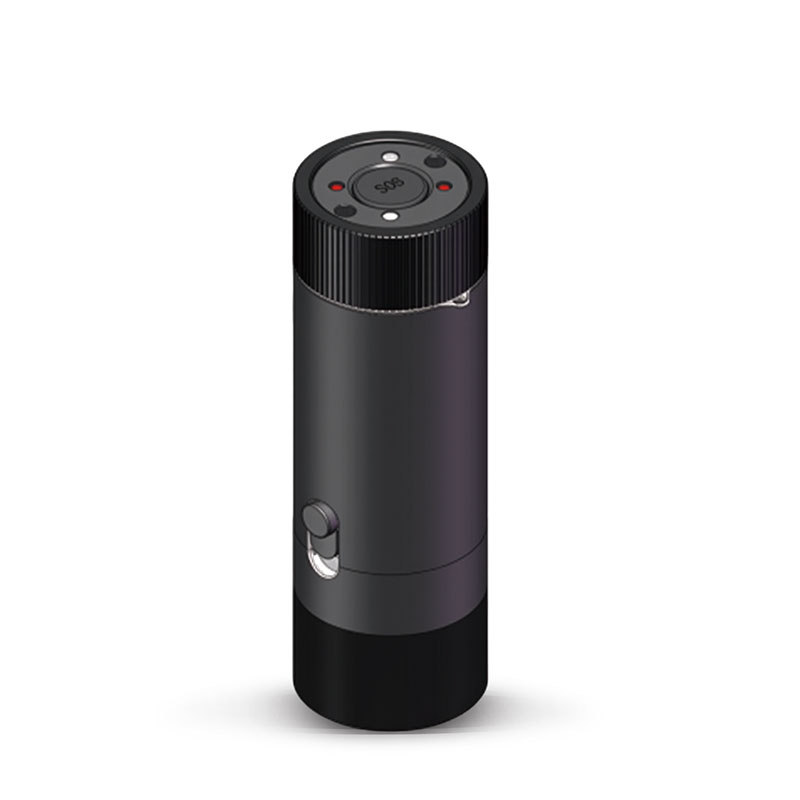 DIVER 103
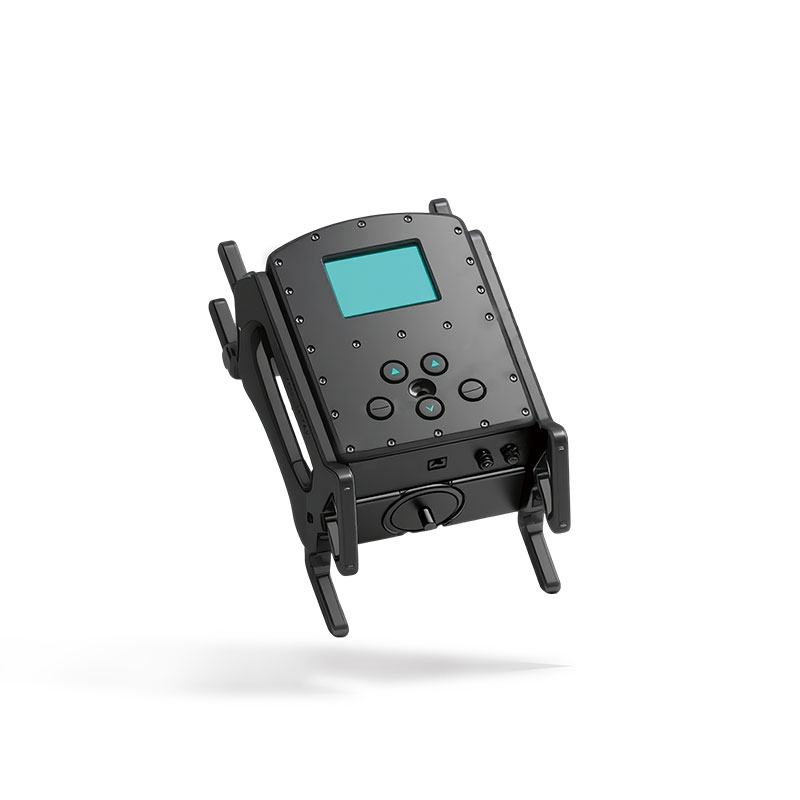 DIVER 104
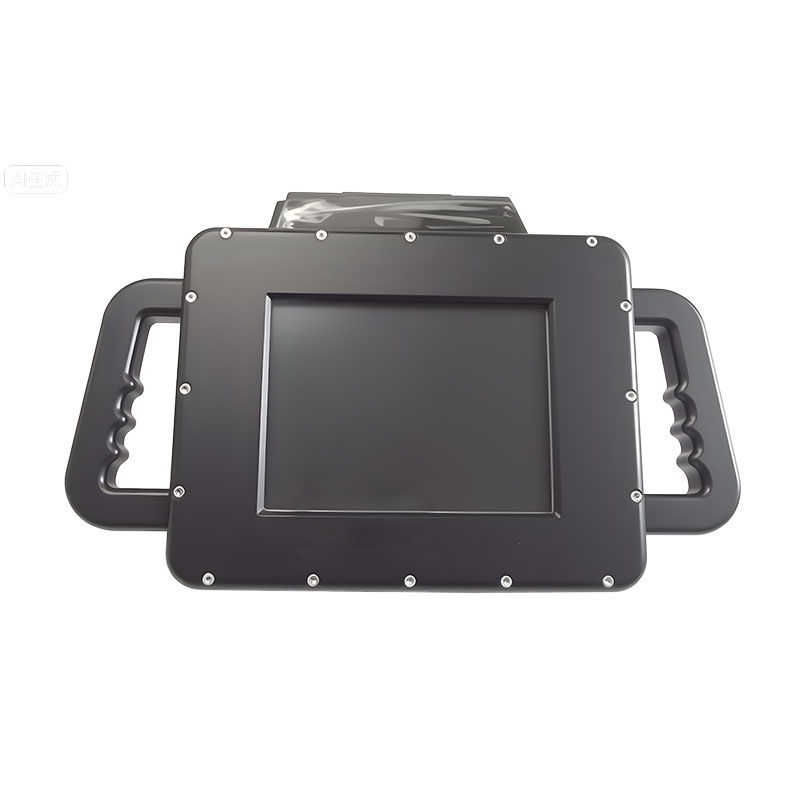 DIVER 105
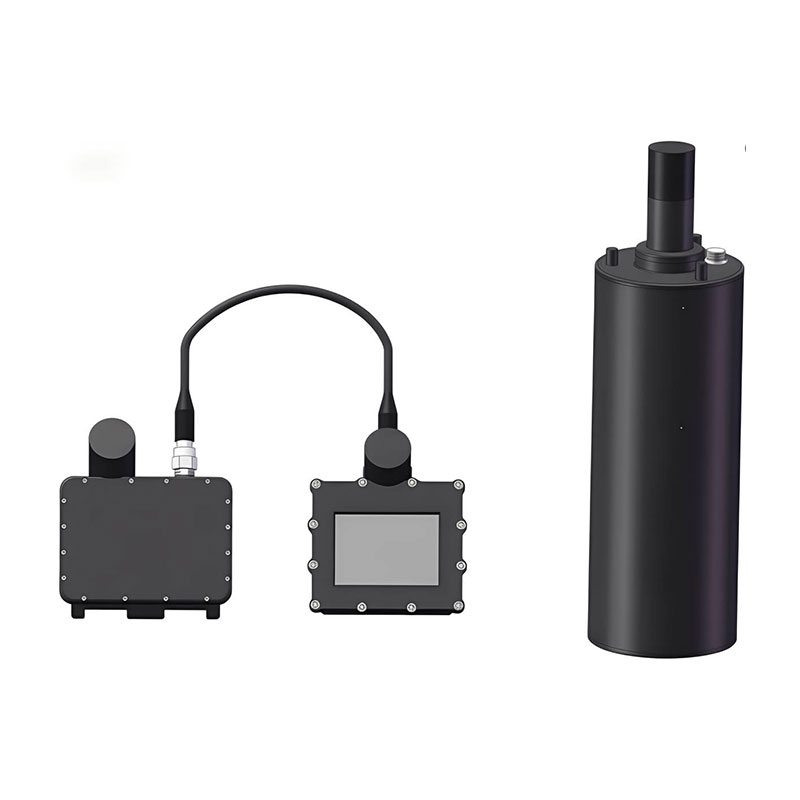 DIVER 106
 SLLR3000
 SLLR905
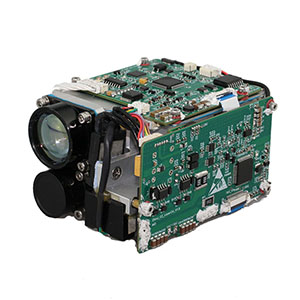 SLLD25
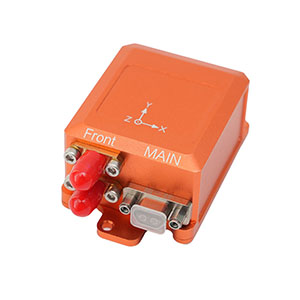 160M
160M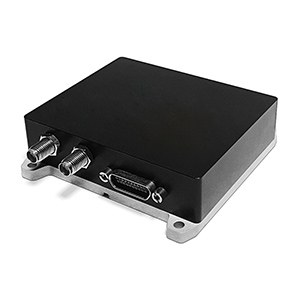 170M
170M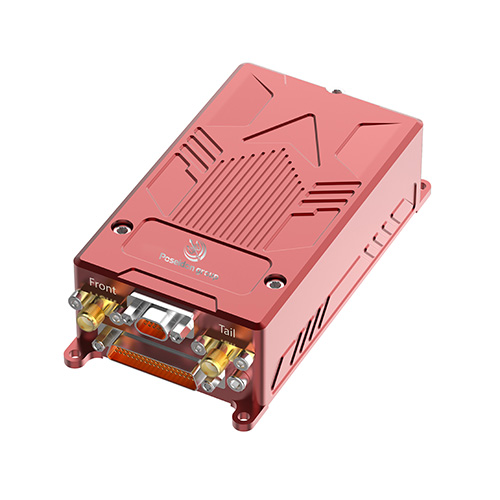 SLFC-70
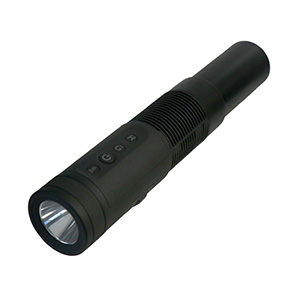 SLAF280
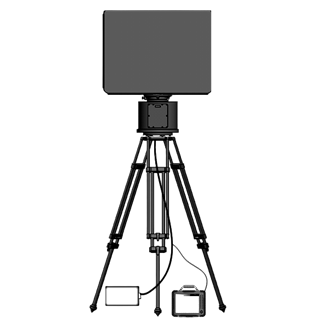 MR360
MR360





Inertial Measurement Sensor ODM: Leading Suppliers & Factories
As a leader in the field of inertial measurement sensors, we focus on providing top-quality products tailored to your specific needs. Our sensors are designed to deliver precise motion tracking and orientation measurement, making them essential for various applications, from automotive to aerospace, Working closely with ODM manufacturers and factories, we ensure that our inertial measurement sensors meet the highest industry standards, providing you with robust and reliable solutions. With Poseidon International Group (Hong Kong) Limited, you’re not just getting a product; you’re gaining a trusted partner committed to innovation and excellence, We understand that each business has unique requirements, which is why we offer customizable options to suit your needs. Our experienced team is ready to assist you in finding the perfect inertial measurement sensor that aligns with your project goals. Let’s connect and explore the possibilities together!

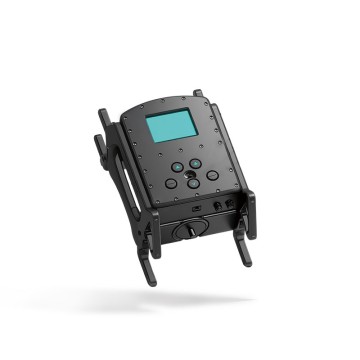
Popular Inertial Measurement Sensor Application Exceeds Industry Benchmarks
In today's rapidly advancing technological landscape, the demand for high-precision inertial measurement sensors continues to rise across various industries. These sensors play a crucial role in applications ranging from autonomous driving to aerospace navigation, providing accurate data that enables real-time decision-making and improved overall performance. As companies strive to enhance their product offerings, certain manufacturers have set new industry benchmarks by designing sensors that not only meet but exceed existing standards for reliability and accuracy.
Among the significant innovations in this field are fiber optic gyroscopes (FOGs) and inertial navigation systems (INS). These technologies leverage cutting-edge optical principles to deliver unparalleled precision, ensuring consistent performance even in the most challenging environments. Moreover, advancements in attitude and control systems significantly enhance the capabilities of autonomous vehicles, enabling them to navigate with exceptional accuracy and efficiency. As the industry pushes for greater intelligence in operations, integrating these advanced inertial measurement sensors into systems becomes imperative.
The growing interest in adopting these technologies is driven by the need for enhanced safety, operational efficiency, and data integrity. Companies looking to remain competitive in this dynamic market must prioritize partnerships with manufacturers who are at the forefront of innovation. By integrating superior inertial measurement sensors into their products, businesses can not only improve their performance but also gain a significant edge in an increasingly crowded marketplace.
Popular Inertial Measurement Sensor Application Exceeds Industry Benchmarks
| Application | Sensor Type | Accuracy (°/h) | Measurement Range | Mass (g) | Power Consumption (mW) |
|---|---|---|---|---|---|
| Aerospace Navigation | MEMS IMU | 0.5 | ±2000 °/s | 50 | 20 |
| Robotics | Fiber Optic Gyroscope | 0.01 | ±500 °/s | 200 | 15 |
| Smartphones | MEMS IMU | 1.0 | ±2000 °/s | 30 | 10 |
| Automotive Safety | Microelectromechanical System | 0.5 | ±300 °/s | 60 | 25 |
| Virtual Reality | Inertial Measurement Unit | 0.5 | ±1600 °/s | 80 | 12 |
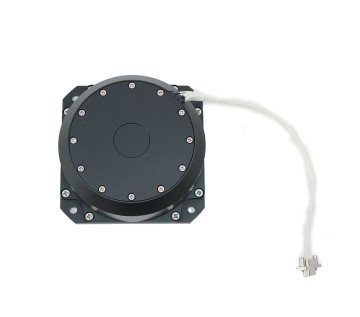
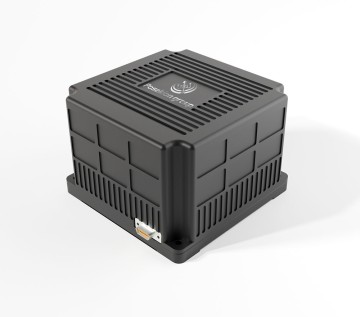
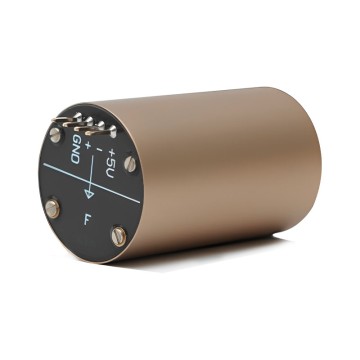
Why Trust Inertial Measurement Sensor Where Service Meets Innovation Factory



J
Jackson Hughes
Top-notch quality! Their support team is both friendly and knowledgeable.
31
May
2025
E
Ella Lee
The item is robust and well-crafted. Support staff were patient and professional.
31
May
2025
H
Henry Brown
Impressed with the product quality! The level of service received was exceptional.
19
May
2025
I
Ivy Scott
Superb item! I’m very impressed by the professional support team.
22
May
2025
M
Matthew Brown
Fantastic quality! The customer service team was so easy to work with.
27
June
2025
A
Ava Allen
High-quality materials! The support team was knowledgeable and responsive.
08
July
2025